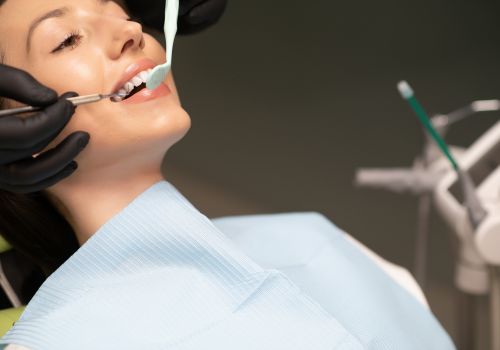
Examinations involve an inspection of the teeth and surrounding soft tissues of the oral cavity. The Dentist generally uses an explorer, a slender steel instrument with a flexible, blunt point, to probe the minute indentations on tooth surfaces for signs of demineralisation and caries development. Fillings are also inspected, and a radiographic record of the teeth is usually made. The Dentist may also insert a periodontal probe into the soft-tissue sulcus around each tooth, to measure the depth of each sulcus and to explore for calculus and root defects.
X-Rays
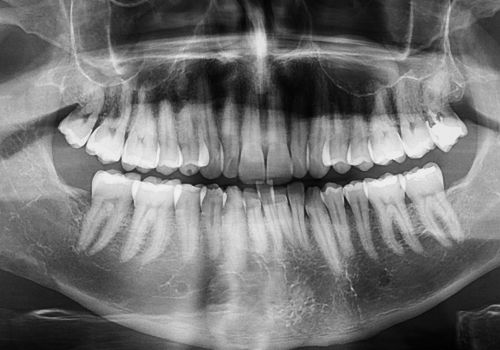
Dental radiographs, commonly referred to as X-ray films, or informally, X-rays, are pictures of the teeth, bones, and surrounding hard tissues to screen for and help identify problems with the teeth, gums and jaw. X-ray pictures can show cavities, cancerous or benign masses, hidden dental structures (such as wisdom teeth), and bone loss that cannot be seen during a visual examination. Dental X-rays may also be done as follow-up after dental treatments.
Scale & Clean
Dental cleanings involve removing plaque (soft, sticky, bacteria infested film), stains and tartar (calculus) deposits that have built up on the teeth over time. Your teeth are continually bathed in saliva which contains calcium and other substances which help strengthen and protect the teeth. While this is a good thing, it also means that we tend to get a build-up of calcium deposits on the teeth. This chalky substance will eventually build up over time, like limescale in a pipe or kettle. Usually, it is tooth coloured and can easily be mistaken as part of the teeth, but it also can vary from brown to black in colour.
Flouride Applications
Topical fluoride can be administered by three different methods. The first method involves the application of fluoride solution. This type of fluoride must be painted on the teeth with a cotton tip applicator. The second method of fluoride application is the use of a concentrated fluoride rinse. The third method is the tray technique, which is used to apply fluoride gels. Gel application is generally regarded as the most effective means of topical fluoride treatment. We focus our attention on fluoride gel application.
Tooth Extraction
There are many circumstances that may warrant removal of a tooth. Our dentists are highly skilled in comfortable extraction. They ensure that profound numbness has been attained before procedure, explain each step if needed, and perform the procedure in the least traumatic way possible for smooth recovery.
Surgical Removal of Wisdom Teeth
We also offer removal of wisdom teeth in the dental chair, as not all wisdom tooth removal procedures are complex. It can be a very cost-effective option as it eliminates hospital costs, and usually you get more of a rebate from your health fund if the treatment is performed by a general dentist instead of a specialist oral surgeon. We also offer referral to the specialist if it is not practically possible for us to remove the teeth in the dental chair.
Note: Any surgical or invasive procedure carries risks. Before proceeding, you should always seek information from an appropriately qualified health practitioner.